- BCN Magazine
- Saving Money
- 25 everyday money saving ideas that quietly add up
25 everyday money saving ideas that quietly add up
Practical money saving ideas help build a buffer without changing your whole life. Try these everyday ways to save money on food, travel and health costs.
Story by Corin Hatherleigh
- 9 min read
The everyday money saving ideas that add up most are in the food shop, getting around, health costs, family spending and small daily habits. Small changes to your daily habits give you extra breathing room by payday. You can find cheap ways of living without feeling deprived just by rethinking how you shop and manage family expenses.
1. Check your cupboards before you shop
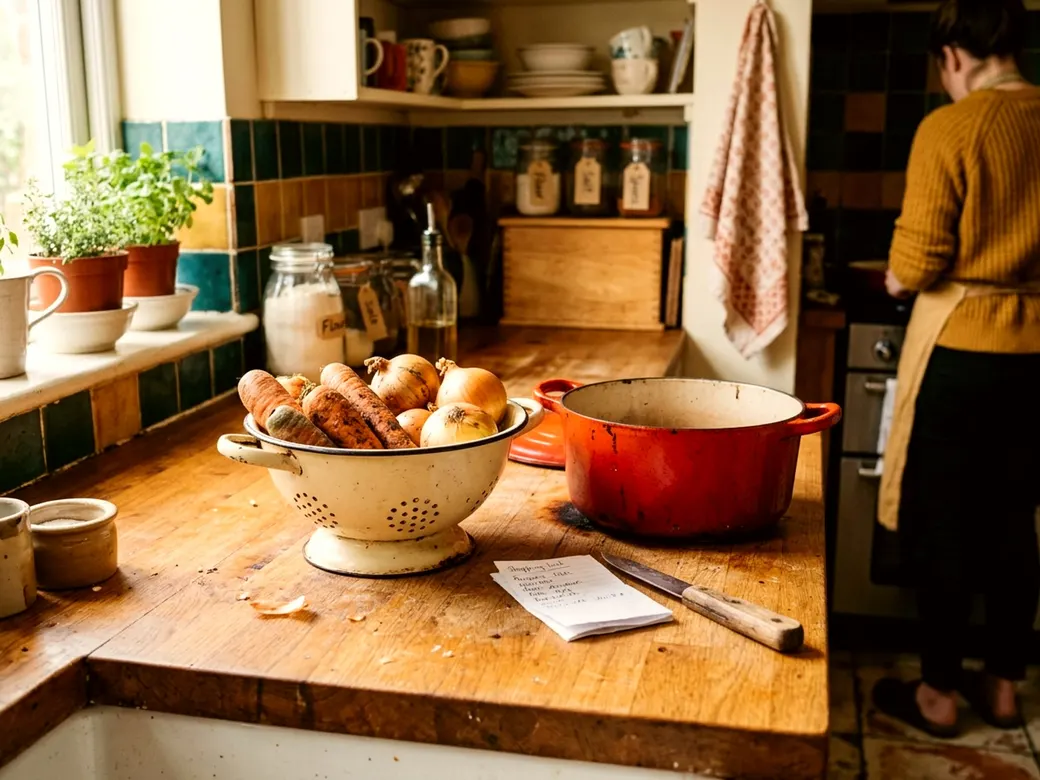
Knowing exactly what you already own stops you buying food you do not need. Open the fridge and check the freezer. Look right to the back of the kitchen cupboards. You will often find enough ingredients to cover at least a couple of dinners.
Use those spare tins and open pasta packets as the base for a meal. Building your weekly list around what you have saves cash and cuts down on food waste.
2. Write a meal plan for the week
Deciding what you will eat ahead of time keeps you focused in the supermarket aisles. You only buy the items on your list, which leaves less room for impulse purchases.
Sit down on a Friday evening or Saturday morning and map out the meals for the week ahead. Check your calendar for busy evenings where a quick planned meal stops you reaching for a takeaway menu.
3. Drop down a brand level
Supermarket own-brand products often cost much less than their famous equivalents. Try swapping your usual premium brand for the shop version just once. You might not even notice the difference in taste.
This works well for basic items like flour, tinned tomatoes and cleaning supplies. If your family dislikes the cheaper version, you can always switch back next time.
4. Batch cook your staple dinners
Cooking in larger amounts saves both time and money. When you make a big pot of chilli or a large shepherd's pie, portion out the extras. Put them in plastic tubs and freeze them for later.
Having a home-cooked meal waiting in the freezer rescues those nights when you are too tired to cook. It stops you paying a large amount for a sudden delivery order.
5. Stretch meat with pulses and vegetables
Meat is often the most expensive part of a food shop. You can make a pack of mince go much further by adding lentils, grated carrots or kidney beans. The meal stays filling and the cost drops.
Try introducing a couple of completely meat-free dinners each week. Simple pasta bakes or vegetable curries cost very little per portion and keep the whole family happy.
6. Take a packed lunch to work
Buying a sandwich and a drink every working day adds up fast. Preparing your own lunch the night before keeps that cash in your pocket. Leftovers from dinner make an excellent and easy lunch.
A loaf of bread and some simple fillings cost a fraction of the high street prices. Keep a reusable water bottle on your desk to avoid buying expensive drinks.
7. Buy a 16 to 25 Railcard
Young adults and older teenagers can cut the cost of train travel significantly. The 16 to 25 Railcard gives a third off eligible rail fares and can be bought any time before your 26th birthday.
The initial cost can pay for itself after a few long trips. You can use it for journeys to university or travelling home for the weekend.
8. Book train tickets well in advance
Train operators release their cheapest tickets several weeks before the date of travel. Buying your tickets early often gets you a lower price. Leaving it until the day you travel often means paying the highest possible fare.
Set a calendar reminder if you know you need to travel for a specific event. Even buying a ticket a week ahead can cost less than buying it at the station machine.
9. Walk the short local journeys
Leaving the car on the driveway saves fuel and reduces wear and tear. Try walking or cycling for short local trips. It takes a little more time, but the physical activity benefits your health.
Walking to the local shop or the post box also stops you paying for parking. It is a very simple change that slowly lowers your transport costs.
10. Share lifts for the school run
Driving to school every morning burns fuel and adds stress to your day. Speak to parents who live nearby and ask if they want to share the driving. You take the children one week, and they drive the next.
This can cut your school run fuel costs. It also frees up time on the days you do not have to drive.
11. Claim free NHS prescriptions if you qualify
Many people pay for medicines when they do not need to. The NHS Business Services Authority says under 16s, 16 to 18 year olds in full time education and people aged 60 or over get free NHS prescriptions in England.
Check the criteria carefully, as certain medical conditions and benefits also qualify you for free items. Ask your GP or pharmacist if you think you might be exempt from charges.
12. Buy a prescription prepayment certificate
If you need regular medication and pay for your prescriptions, a prepayment certificate can save you money. In the same 28 April 2025 announcement, prescription prepayment certificates in England stayed at £32.05 for 3 months and £114.50 for 12 months.
This works like a season ticket. Once you buy it, all your NHS prescriptions are covered for that period. It is much cheaper than paying the single item charge every time if you need several items a month.
13. Check the shelf price before you use a prescription
Some basic medicines cost far less over the counter than they do on prescription. Gov.uk announced on 28 April 2025 that the prescription charge in England was frozen at £9.90 per item.
If you are prescribed something like paracetamol or a mild antihistamine, ask the pharmacist whether the same medicine at the same strength is sold for less over the counter. Buying a basic packet of painkillers from the shelf often costs very little.
14. Apply for the Healthy Start scheme
Families with young children can get help buying basic, nutritious food. Healthy Start may help pay for milk, fruit, vegetables, pulses and infant formula if you are more than 10 weeks pregnant or have a child under 4, depending on your circumstances.
You receive a prepaid card that you can use in some UK shops. It provides a regular top-up to your food budget.
15. Seek out second-hand school uniforms
Children outgrow their clothes fast. Buying brand new jumpers and blazers every September puts a heavy strain on family finances. Many schools run second-hand uniform sales at the end of the summer term.
You can also check local social media groups. Parents frequently sell or give away uniform bundles in excellent condition for a very small amount.
16. Swap clothes and toys with other parents
Entertaining children does not have to mean buying new plastic toys every month. Arrange a swap box with friends or family members who have children of a similar age. Pass on books and puzzles your child has finished with.
A fresh box of borrowed toys feels entirely new to a toddler. It keeps them entertained and keeps your money in the bank.
17. Look for free local activities
Paying for weekend outings quickly drains your account before you even buy lunch. Check your local council website for free events in the park or community centre. Museums and art galleries often have free entry for their permanent exhibitions.
Pack a picnic and make a day of it.
18. Cancel subscriptions you no longer use
It is easy to sign up for a television streaming service and then forget about it. Go through your bank statements and look for small monthly payments. Cancel any magazines or app subscriptions that you have not used in the last month.
If you miss a service, you can always join again. Often you will not notice it has gone.
19. Pause before you buy something new
Impulse buys add up fast. If you see an item of clothing or a gadget you want, wait a couple of days. Walk out of the shop or close the web page.
If you still want the item after a few days, and you can afford it, you can go back. Most of the time, the urge fades and you save the money.
20. Make your morning coffee at home
Stopping at a cafe on the way to work is a lovely treat, but it costs a significant amount over months of commuting. Buy a travel mug and fill it before you leave the house. A jar of good instant coffee or some fresh beans costs less than a week of cafe drinks.
Save the bought coffees for a weekend treat or a catch-up with a friend. It makes the experience feel special again.
21. Use the local library instead of bookshops
Buying new paperback books adds up quickly if you read often. Joining your local library is free and gives you access to a huge range of titles. Many libraries offer digital services too, letting you borrow audiobooks on your phone.
You can request specific books if they do not have them on the shelf.
22. Sell items you no longer need
Decluttering your house creates space and raises cash. Sort through your wardrobe and the loft for things you have not used in months. You can sell clothes, old mobile phones and furniture on local selling sites.
Put the money you make straight into your savings. It turns unwanted clutter into a useful financial safety net.
23. Set up a separate savings account
Money sitting in your main current account usually gets spent. Open a separate savings account, preferably one you cannot see on your everyday banking app. This creates a small mental barrier that stops you dipping into it.
Even if you only save a tiny amount, keeping it separate protects it. This is a practical way to budget your money when things feel tight.
24. Move a small amount on payday
The best time to save is the day your wages arrive. Take these small steps to protect your extra cash:
- Work out a small, manageable amount you can spare, even just a few pounds.
- Set up an automatic transfer from your main account to your savings.
- Schedule the transfer for the morning your pay usually clears.
Because the money leaves your account immediately, you adapt to living on what is left. It is much easier than trying to save whatever happens to be left at the end of the month.
25. Track your spending against a budget
You cannot save money if you do not know where it goes. Keep a simple list of everything you spend in a notebook or on your phone. Review it once a week to spot patterns and leaks.
Seeing your spending written down helps you make better choices. Once you know exactly what goes out, you can set a realistic budget for the month ahead.
Start with two or three ideas
You do not need to attempt all these changes at once. Trying to overhaul your entire routine in a single weekend usually leads to frustration. Pick a couple of ideas that fit easily into your current days.
If you want to cut more substantial costs, you can also look at cutting your household bills for savings on energy and water. Once those first changes feel normal, you can return to the list and try something else.
You might even want to try some money saving challenges to keep your motivation high.
More to enjoy

Budgeting for a holiday so it is paid off before you go
A stress-free break starts with budgeting for a holiday before you book. Build a money saving plan and pay off your trip before you go.
6 min read

What the money purchase annual allowance is and what triggers it
What the money purchase annual allowance is, which types of pension withdrawals trigger it, and how it affects the amount you can save tax free.
6 min read
6 money saving challenges you can start this month
Six practical money saving challenges you can start this month to build your savings, from simple pantry clear outs to weekend spending freezes.
6 min read