- BCN Magazine
- Family Life
- Do you really have a family crest and who can use one
Do you really have a family crest and who can use one
Find out why a surname family crest is a myth and learn how a real coat of arms works when you want to trace your own family history.
Story by Maeve Tolputt
- 6 min read
No surname has a family crest that applies to everyone who shares the name. A genuine coat of arms belongs to one specific person and their heirs, rather than a whole family line. The crest is just one small part of the overall design that sits above the helmet.
The difference between a crest and a coat of arms
Many people use the terms interchangeably. They actually refer to different parts of a knight's traditional display. The coat of arms is the entire achievement. It includes the shield in the middle, the helmet above it and the decorative elements surrounding them.
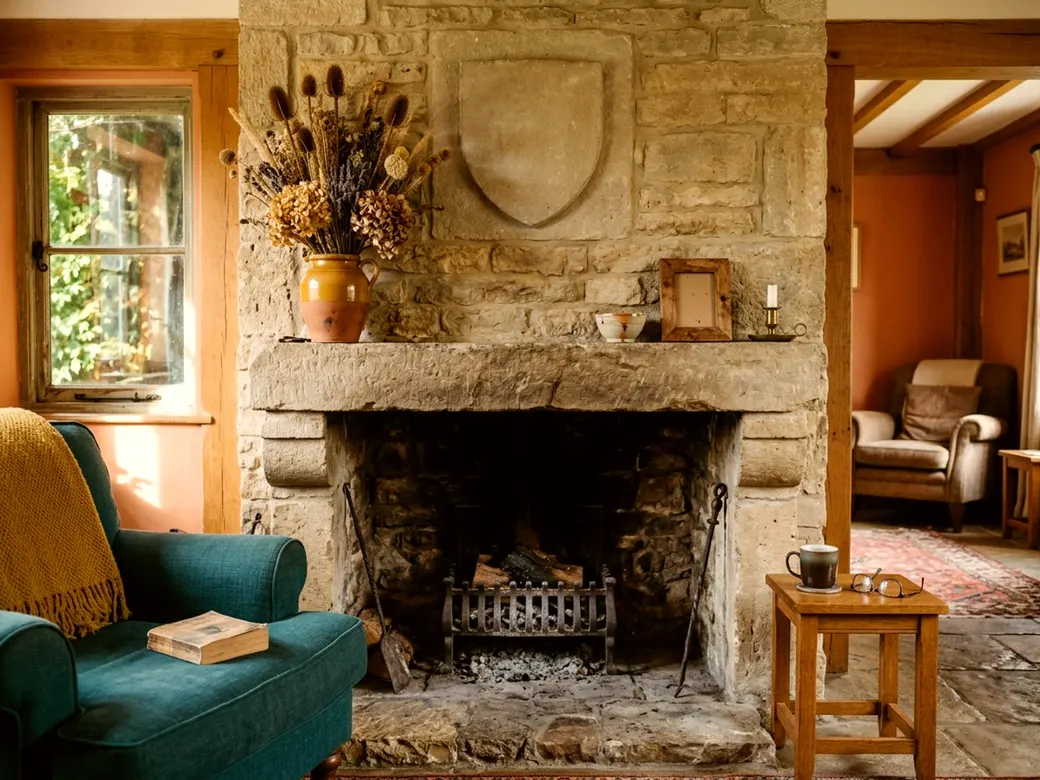
The shield is the core of the design. It carries the primary colours and symbols that identify the owner. The Heraldry Society says there is no such thing as a family crest, because a crest is only the part above the helmet. A knight would wear this physical crest on top of his headgear to stand out in a tournament.
Between the helmet and the crest sits a twisted piece of cloth called a torse. Flowing down from the helmet is the mantling, which is often explained as a piece of fabric worn to keep the sun off the armour. A motto usually sits on a scroll at the bottom.
Over time, the crest became a popular shorthand for the whole design. Wealthy households began stamping their crests on silver spoons, wax seals and writing paper. This habit led to the common misunderstanding that the crest stands alone. In official heraldry, a crest cannot exist without the shield it belongs to.
Why no surname has its own arms
Walk into a tourist shop and you will often see racks of keyrings displaying a coat of arms for every common name. The Heraldry Society says there is no coat of arms for any surname and there never was. A coat of arms identifies an individual, not a broad group of people.
Surnames in the UK developed for practical reasons. When towns grew larger, people needed ways to tell each other apart. They took names based on their job, their father's name or their village. Hundreds of unrelated blacksmiths across the country became known as Smith, and many different men named John had sons who became Johnson.
Because many of these people were not related, they did not share a single bloodline. A wealthy landowner named Smith might receive a grant of arms. His specific design belonged only to him. All the other Smiths in the country had no right to use it.
Sharing a surname simply means you share a word. It does not mean you share an ancestor. Assuming you own a coat of arms just because your name matches the original owner is a false start in family history.
How arms are granted to a person and their heirs
Official heraldry follows strict rules of inheritance. The Heraldry Society says coats of arms are granted to a single named person and their heirs. When the original owner dies, the arms pass down the family line exactly like a piece of property.
The rules of inheritance depend on where your ancestors lived. In the UK, heirs inherit only through the male line, and the heraldic authorities can tell you whether an ancestor was granted arms.
In Scotland, arms are granted and recorded by the Court of the Lord Lyon in Edinburgh.
Women are not left out entirely. Under UK and Scottish rules, wives and unmarried daughters may use a man's arms by courtesy, and wives may join their arms with their husband's.
Why shop-bought family crests are copies
Companies selling surname scrolls often rely on a simple trick. They look up your name in a published armory, which is a massive dictionary of historical heraldry. They find a design granted to someone with your surname. Then they print it out and sell it to you.
These businesses usually do not check your family tree. They do not know if you are directly descended from the person who received the grant. They simply match the spelling of the name. If your surname is Taylor, they may pick the arms of one specific historical Taylor and sell them to many unrelated people.
Buying one of these prints gives you a nice piece of wall art. It does not give you a historical right to the arms. Displaying someone else's coat of arms is the historical equivalent of wearing someone else's military medals. It claims a connection to their specific achievements and ancestry.
Arms belong to the person they were granted to, so displaying a bought design claims a link you cannot show. If you want to use real arms, ask the College of Arms or the Court of the Lord Lyon.
How to trace whether an ancestor held arms
If you want to know if you have a genuine claim, you must do the research. You cannot start by looking for a coat of arms. You must work backward from your own parents, one generation at a time.
You will need to gather birth, marriage and death certificates. Census records and parish registers help build a clear picture of your ancestors. If you decide to start your family tree, make sure you verify every link with official documents. A single wrong guess breaks the chain of evidence.
As you go further back, look for wills and property deeds. Some ancestors used a wax seal to sign important legal documents. A seal on a historic will can be a clue that the person held a coat of arms. You can check these seals against official records.
Many people find their ancestors were agricultural labourers, miners or factory workers. These ordinary people were less likely to hold arms. Finding no heraldry in your history is very common.
If you do trace an unbroken line to someone who held a grant of arms, you may be able to prove your right. You can take your evidence to the College of Arms in London, or the Court of the Lord Lyon in Edinburgh. Their experts will examine your documents. If they accept your proof, a pedigree can be registered to show your right to inherit.
Safer ways to make a family emblem of your own
You do not need official heraldry to celebrate your family. Creating your own emblem is an honest way to mark your shared identity. A custom design reflects who you are together, without pretending to be a medieval knight.
Start by talking across the kitchen table about what represents your household. You might focus on a shared hobby, a favourite place or a value you all hold dear. This is an excellent project for a quiet weekend. It brings everyone into the process and ensures the final result means something to you all.
Keep the design simple and striking. A good emblem is easy to draw from memory and works well in just two colours. You can use it on stationery, carve it into a wooden planter or paint it on a toy box. If you intend to use it when planning a family reunion, a shared logo makes invitations and welcome signs look brilliant.
- A simple geometric shape like a circle, diamond or plain shield for the background.
- Two strong colours that contrast well, like navy blue and bright yellow.
- An animal, tree or tool that holds a specific meaning for your household.
- A short phrase or motto that captures your approach to life.
- The year your household was established, such as a wedding or moving date.
When you make your own design, you own the story behind it. It becomes a genuine piece of your history. You can pass it down to your children, knowing it started with you. A personal emblem carries far more weight than a generic print bought from a seaside shop.
More to enjoy
When an old family table is worth restoring instead of replacing
Decide whether to restore or replace a wooden family heirloom by checking the frame, knowing what to fix at home and comparing professional repair quotes.
6 min read

7 ideas for relaxed family photos at home
Take relaxed family photos at home with seven simple ideas for using natural window light, choosing activities and including everyone in the frame.
5 min read

Activities of daily living and when an older parent needs help
Understand the activities of daily living (ADLs) and how to spot when an older parent needs help with everyday tasks, including free council assessments.
7 min read