- BCN Magazine
- Wellbeing
- A 9 point self care checklist for busy weeks
A 9 point self care checklist for busy weeks
A practical nine-point self-care checklist to help you build better sleep habits, move more and manage mental wellbeing during a busy week.
Story by Juno Strickett
- 7 min read
A useful self-care checklist covers nine everyday basics you can run through in a minute. Building regular sleep, everyday movement and moments of connection into your routine gives you the energy to manage a busy household. None of it costs money or needs hours of free time.
Build a reliable sleep routine
Start with sleep. The NHS says adults need 7 to 9 hours of sleep on average. Reaching that number starts with a predictable daily routine. The NHS suggests waking up and getting out of bed at the same time every day.
A consistent morning alarm sets your body clock. It can make drifting off at night easier. Resist the urge to sleep in on weekends.
Your evening habits matter just as much as your morning alarm. The NHS suggests relaxing for at least 1 hour before bed. This means stepping away from household chores and turning off bright screens. Put the phone away in another room.
Keep a notebook by your bed. Write down tomorrow's tasks before you try to sleep. This can help clear your mind so you worry less about forgetting things.
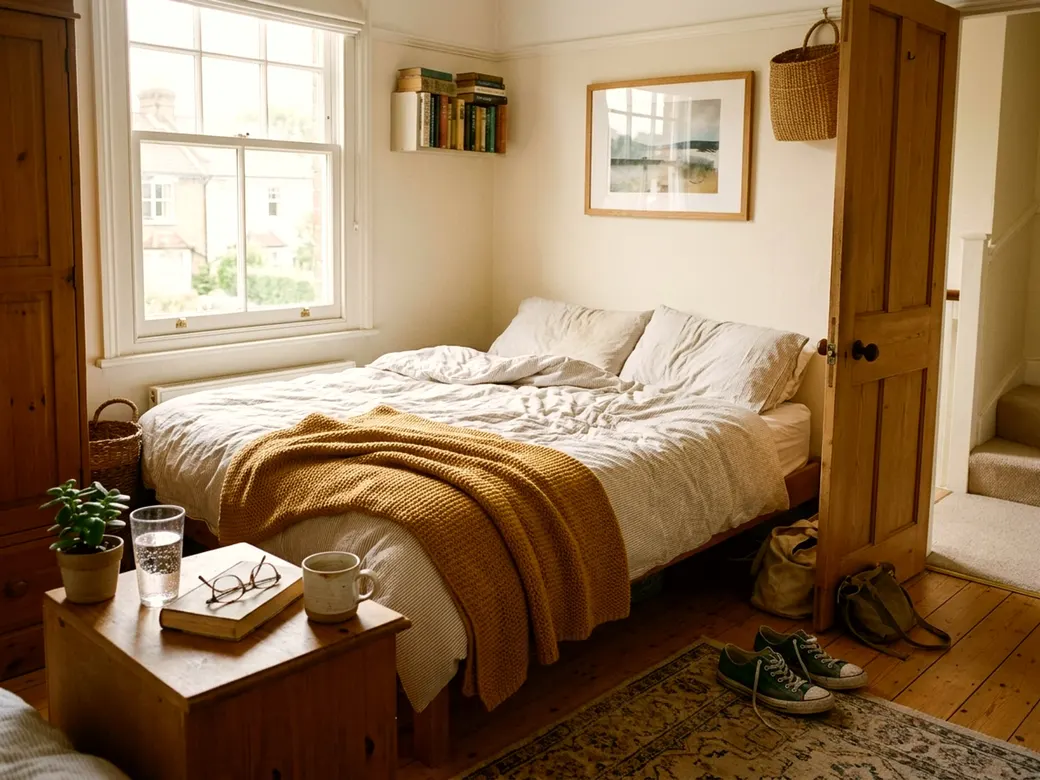
The NHS suggests making sure your bedroom is dark and quiet. Pull the curtains tightly shut to block out street lights. A good sleeping environment can make a real difference to your rest.
What you drink plays a major part in how well you rest. The NHS suggests avoiding alcohol, tea and coffee for at least 6 hours before bed.
That can rule out a late afternoon cup of tea. Swap your usual brew for water, warm milk or a herbal alternative. Skipping the evening glass of wine follows the same advice.
Keep your body moving and strong
You do not need a gym membership to take care of your body. Physical activity fits into the gaps of an ordinary day. Moving your body regularly can also lift your mood.
Move a little every day
Activity that raises your heart rate counts towards the weekly target. The NHS recommends adults aged 19 to 64 do at least 150 minutes of moderate activity or 75 minutes of vigorous activity a week.
Moderate activity makes you breathe a bit faster and feel warmer. Brisk walking on the school run counts towards this total. Pushing a heavy lawnmower or cycling to the shops works too.
Break the time down into small blocks across the week. A fast twenty minute walk at lunchtime counts towards the total. Take the stairs instead of the lift. Park at the far end of the supermarket car park.
Walk short journeys instead of driving. These small choices add up without taking extra time out of your day. If the weather is bad, put on some music and vacuum the house with a bit of pace.
Keep strength in the week
Aerobic exercise is only half the picture. The NHS recommends strengthening activities that work all major muscle groups on at least 2 days a week. You can do this at home with no equipment.
Carrying heavy shopping bags from the car builds grip and arm strength. Digging in the garden works your back and shoulders.
Bodyweight exercises are entirely free. Doing push-ups or sit-ups in the living room takes five minutes. Hold a plank position or try a simple yoga routine.
Pick activities that use your legs, hips, back, abdomen, chest, shoulders and arms. Spread these efforts out so your muscles have time to recover.
Eat proper meals
Skipping meals leaves you running on empty. A busy schedule often pushes lunch off the priority list. Make time to sit down and eat a proper plate of food.
Base your meals around simple ingredients you already have in the kitchen cupboards. A bowl of porridge for breakfast can keep you going through the morning. A baked potato with beans makes a fast, warm lunch that costs very little.
Cooking from scratch often saves money and gives you control over what you eat. Buy frozen vegetables. They can be cheaper than fresh produce and keep for longer. You can throw a handful of frozen peas or spinach into almost any hot meal.
A tin of tomatoes is the base of plenty of cheap dinners. Planning your food for the week removes daily decisions. It stops you grabbing expensive convenience food and is one of the simplest ideas to save money for a busy household.
Try to eat away from your desk or the kitchen sink. Sit at a table and focus on your food. Keeping fresh fruit in a bowl on the counter gives you an easy snack to hand.
Drink plenty of water throughout the day. Keep a glass of water nearby while you work or manage the house.
Nurture your mental wellbeing
The NHS five steps to mental wellbeing are connect with other people, be physically active, learn new skills, help other people and pay attention to the present moment. You already tick off physical activity by moving and building strength. The other four fit into an ordinary week.
Connect with someone
Good relationships can help build a sense of belonging. They provide emotional support and stop you feeling isolated. Send a quick text to a friend you have not seen for a while.
Call a family member for a chat while you fold the laundry. Make time to talk to your partner without the television humming in the background. Ask them about their day and listen without interrupting.
If you notice a friend struggling, reach out to them. Knowing how to do a proper wellbeing check in helps you start a meaningful conversation. Sometimes people just need to vent without being offered solutions.
Even a quick chat with a neighbour over the garden fence can lift your mood. Small interactions build a web of support you can rely on.
Learn or make something small
Learning a new skill builds confidence. It gives you a sense of purpose outside your daily chores and work responsibilities. You do not need to sign up for a formal evening class or pay for a course.
Borrow a book from the local library and read up on a subject that interests you. Watch a free video tutorial to learn how to fix a leaking tap.
Try a completely new recipe for dinner using unfamiliar spices. Mend a hole in a favourite jumper instead of throwing it away. If you have a garden, learn the names of the birds that visit.
Spending ten minutes working on a crossword puzzle or a sudoku counts. Find something that absorbs your attention entirely.
Do one kind thing
Helping others takes you out of your own head. It can lift your own mood too.
Offer to take a friend's children to the park for an hour so they can rest. Check if an older neighbour needs milk or bread from the shops.
Kindness fits into your daily routine. Hold the door open for a stranger. Let someone with fewer items go ahead of you in the supermarket queue. Give a genuine compliment to a colleague.
Ask someone how their weekend went and really pay attention to their answer. Volunteering at a local community centre or school is a larger commitment. If you lack time, simply dropping unwanted winter coats at a charity shop helps someone else.
Notice the present moment
Paying attention to the present moment is often called mindfulness. It helps you enjoy life more and understand yourself better. We often rush through the day on autopilot.
Stop for a moment while walking to the bus stop. Notice the exact weather, the shape of the trees and the sounds of the street traffic.
Apply this to everyday tasks. Feel the warmth of the water while washing the dishes. Pay attention to the taste and texture of your lunch instead of eating while reading emails.
Take three deep breaths before you open your front door in the evening. It can stop your mind racing ahead to tomorrow's problems.
Ask for help when it piles up
No one can manage everything alone. Running a household involves endless invisible work that drains your energy. When the laundry basket overflows and the administrative tasks pile up, ask for help.
Talk to your family about dividing the chores fairly. Assign age-appropriate jobs to children. They can set the dining table, sort their own laundry or put their toys away.
Be clear about what you need. People cannot read your mind. Write a list of jobs and ask your partner to pick two.
Lower your standards for a while if things get too busy. A dusty skirting board or an unironed shirt will not ruin the week. Rest matters more than a perfect house.
Financial worries often make everything else feel unmanageable. Reaching out early gives you more options. There is more on how to cope with money worries if they keep you awake.
Speaking the problem out loud to a trusted friend can lighten the burden. Call your local council if you are struggling to pay your council tax bill. Book an appointment with your GP if stress starts affecting your physical health or ruining your sleep, and contact your GP or Samaritans straight away if you ever feel you cannot cope.
More to enjoy

How to do a wellbeing check in with someone you love
Find out how to do a wellbeing check in with a friend or family member, including what to ask and how to truly listen when they answer.
7 min read

How to cope with money worries when they keep you awake
Practical steps to help you cope with money worries when they affect your sleep, from sorting priority bills to finding free support and advice.
6 min read
When an old family table is worth restoring instead of replacing
Decide whether to restore or replace a wooden family heirloom by checking the frame, knowing what to fix at home and comparing professional repair quotes.
6 min read